Secure payment · Immediate email delivery · No account required
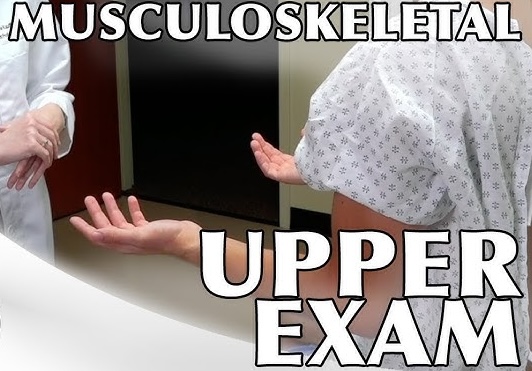
A Clinician’s Guide to the Upper Quadrant Screening Exam
A Structured, Safety-Focused Approach to Cervical & Upper Quadrant Assessment
A practical clinical resource designed to help MSK clinicians screen for serious pathology, neurological involvement, and instability during upper quadrant assessments.
Neck, shoulder, and upper quadrant symptoms often appear musculoskeletal — but in some cases, they may indicate neurological, vascular, or central pathology.
Without a structured screening approach, clinicians risk:
Missing serious underlying conditions
Overlooking neurological involvement
Proceeding with treatment when caution or referral is required
This resource provides a clear, repeatable screening process to support safer clinical decision-making.
What You Will Learn
By the end of this module, you will be able to:
Apply a systematic upper quadrant screening exam
Perform mandatory patient inquiry relevant to serious pathology
Recognize symptoms suggestive of:
Cranial nerve involvement
Vertebral artery insufficiency
Spinal cord compromise or instability
Integrate neurological findings into clinical reasoning
Decide when to stop, proceed with caution, or continue assessment
Please email us at mskacademy25@gmail.com upon completion of the module to receive a “Certificate of Completion’
msk academy
Screen with Confidence
Treat with Greater Safety
Upper quadrant screening is not optional, it is a clinical responsibility. This resource helps you approach assessment with clarity, structure, and confidence.