
Secure payment · Immediate email delivery · No account required
Thoracic Outlet Syndrome
Anatomy, Pathophysiology, and Clinical Testing Explained
A practical, clinician-focused educational resource designed to clarify the complex anatomy, mechanisms, and assessment strategies for Thoracic Outlet Syndrome.

Video / audio-based learning + downloadable material
Instant access after purchase
Why Thoracic Outlet Syndrome Is Often Misunderstood
Thoracic Outlet Syndrome remains one of the most challenging and controversial diagnoses in musculoskeletal and neurovascular practice.
Symptoms often overlap with:
Cervical radiculopathy
Peripheral nerve entrapment
Shoulder pathology
Vascular conditions
Without a strong understanding of regional anatomy and compression mechanisms, clinicians risk:
Misclassification of symptoms
Inappropriate testing
Delayed referral
Ineffective management strategies
This resource is designed to bring clarity to complexity.
What You Will Learn
By the end of this module, you will be able to:

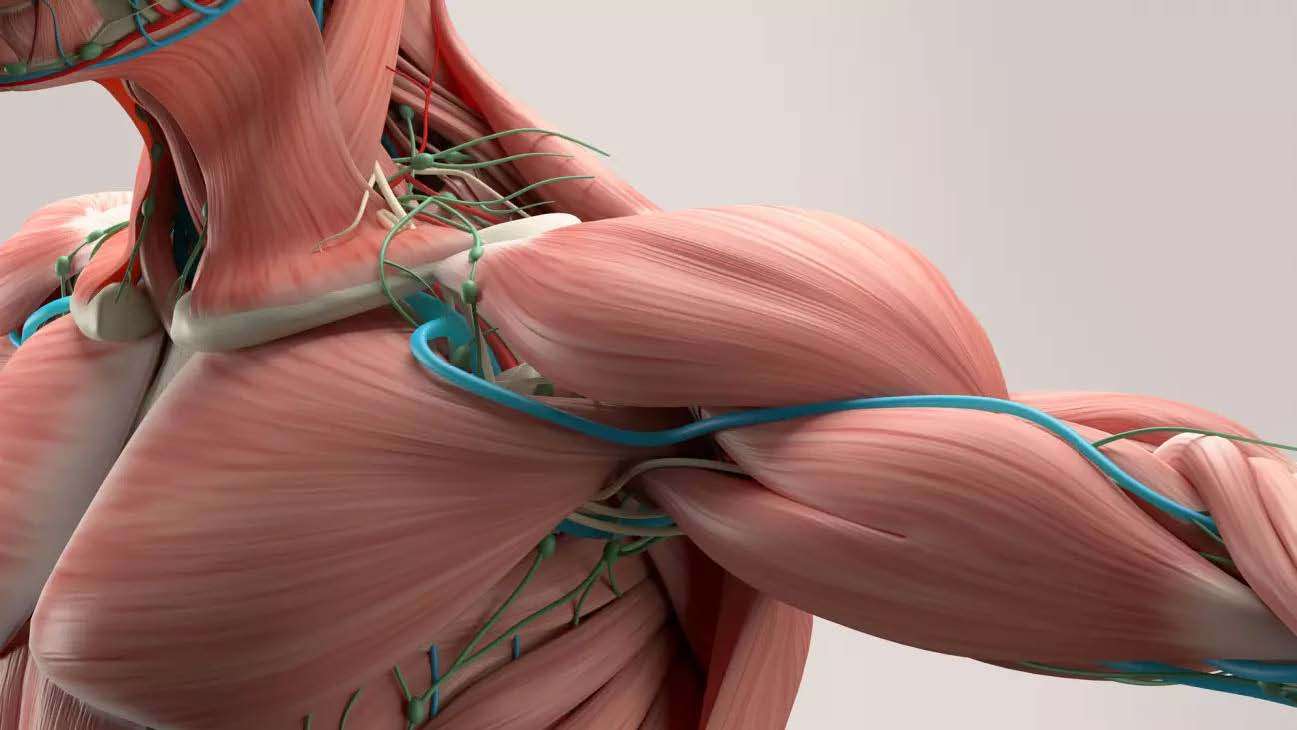
Understand the anatomy of the thoracic outlet region
Identify the structures involved in potential neurovascular compression
Differentiate between neurogenic, venous, and arterial TOS
Recognize common symptom patterns and clinical presentations
Apply appropriate clinical tests and assessment strategies
Improve diagnostic reasoning and referral decision-making
Module Content Overview
Anatomy of the Thoracic Outlet
Interscalene triangle
Costoclavicular space
Subcoracoid (subpectoral) space
Relationship between nerves, vessels, and surrounding structures
Pathophysiology of Compression
Mechanisms leading to neural and vascular compromise
Postural, anatomical, and movement-related contributors
Types of Thoracic Outlet Syndrome
Neurogenic TOS
Venous TOS
Arterial TOS
Key differences in presentation and clinical relevance
Clinical Assessment & Testing
Subjective history considerations
Symptom behavior and red flags
Role and limitations of special tests
Clinical reasoning over test reliance
Who This Module Is Designed For
Physiotherapists
Manual therapists
Chiropractors
Sports medicine clinicians
MSK clinicians involved in upper limb and cervical assessments
If you assess patients with neck, shoulder, arm, or neurovascular symptoms, this course is highly relevant.
What’s Included
WHAT YOU GET
✔ Educational audio / video presentation ✔ Downloadable supporting material (PDF) ✔ Anatomy-focused explanations ✔ Clinically relevant assessment insights ✔ Lifetime access to purchased content
Please email us at mskacademy25@gmail.com upon completion of the module to receive a “Certificate of Completion’
msk academy
Improve Your Understanding
Strengthen Your Clinical Reasoning
Thoracic Outlet Syndrome does not need to be confusing. A clear understanding of anatomy and assessment can change how you approach complex presentations.